

From Peaks to Ports: Handcrafted Journeys Through the Alpine–Adriatic
Set your compass for craft travel itineraries that link workshops and markets across the Alpine–Adriatic, moving from spruce-scented passes to salt-bright harbors. Meet makers, follow market bells, and stitch together days of learning, tasting, and collecting stories you will want to carry home and share.
Sketching Your Route Between Mountain Villages and Seaside Towns
Draw a route through Austria, Slovenia, northern Italy, and coastal Croatia that balances market mornings with quiet workshop afternoons. Anchor in Bolzano/Bozen, Ljubljana, Trieste, Piran, or Rijeka, then fan outward on short day trips. Let mountain weather, ferry timetables, and market days decide your rhythm, giving space for conversations, sketches, and the small, serendipitous detours that make crafted travel breathe with generosity and surprising grace.
Reading the Region Without a Map
Begin by feeling the landscape’s logic: valleys pull you along river towns where millers once worked, while passes nudge you to small plateaus filled with carving studios and herbalists. Languages change gently across borders. You’ll notice signage flipping between German, Italian, Slovene, and Croatian, a reminder that craftsmanship thrives in dialogue. Trust that sensory compass, and you will draw lines that make sense to your feet, palate, and sketchbook.
Choosing Seasonal Windows
Spring brings orchard blossoms around foothill villages and calmer markets where makers have time to chat. Summer adds festivals, long evenings, and ferry links but demands early starts. Autumn tastes like pressing olives and gathering grapes, with cooler air perfect for kiln rooms. Winter gifts candlelit workshops, thoughtful conversations, and alpine Advent markets. Choose windows that match your patience and curiosity, and you will gather deeper stories rather than hurried souvenirs.
Market Calendars and Workshop Schedules
Markets often bloom on specific weekdays, sometimes rotating through neighborhoods or squares. Cross-check town websites and tourist boards, but also message artisans directly on email or Instagram to align studio visits. Many makers welcome guests by appointment, preferring slow conversations to quick drop-ins. Leave buffers for trains, lunch, and the irresistible extra hour that follows a good story. Your calendar should bend, not break, around human hands at work.
Rail Lines That Thread Craft Towns Together
Fast intercity trains place hubs like Trieste, Udine, and Ljubljana within comfortable reach, while regional services unfold the quieter tapestry of stations serving market squares and guild streets. Sit near doors with your parcels, and plan transfers that allow coffee breaks near station bakeries. The rhythm of departures encourages measured curiosity, letting you compare glazes, weaves, or wood grains between stops, then jot insights while tracks hum, mountains drift past, and ideas settle.
Coastal Links for Istrian Studio-Hopping
Along the Istrian edge, short ferry hops and coastal buses turn studio-hopping into a sunlit ritual. Mornings might begin with a harbor espresso before you skim to a hilltown where a ceramicist fires small-batch tiles. Afternoons could shift to a marina market sheltering basket weavers and olive-wood turners. Plan returns before dusk, cushion fragile pieces with scarves, and celebrate the day with grilled fish, sea breeze, and the quiet pride of ethical purchases.
Markets Worth an Early Wake-Up
Markets reward the traveler who arrives with sunrise breath and small bills. Stalls brim with woven baskets, hand-thrown cups, cured meats, and beeswax candles that still smell of mountains. Speak first, buy later. Ask about finishes, fibers, and families. Carry a cloth bag and patience. When bells ring and awnings fold, you’ll leave with more than objects: recipes, greetings, and invitations that become the true currency of this journey.
Doors Open: Workshops Where Craft Lives Daily
Studios across the Alpine–Adriatic invite curiosity when approached respectfully. Lace schools whisper with concentration, woodshops glow with resin, and kilns tick like warm hearts. Book ahead, bring questions, and expect makers to guide your eyes toward process, not only objects. You’ll leave understanding gestures, tool marks, and patient timelines, which lends every purchase a signature beyond ink. These visits become friendships, and friendships become maps for future, deeper wanderings.


Sample Itineraries That Weave Process, People, and Place
Use these outlines as invitations, not instructions. Craft loves detours. Each path pairs market energy with workshop intimacy, reserving afternoons for tastings and notebooks. Leave room for rain, train quirks, and irresistible side streets. Tell us where you adjusted, which alley offered shelter or surprise, and we’ll share your suggestions with future readers, building a living archive of routes guided by kindness, curiosity, and the steady cadence of handmade work.
Day one: Trieste’s covered halls, harbor espresso, and an afternoon visit to a nearby printmaker who sets type by hand. Day two: Ljubljana’s riverside market at dawn, then Idrija’s lace school for a beginner pattern. Day three: return through Karst villages for a ceramic studio stop before sunset. This sprint proves you can balance depth and movement, ending with a modest parcel, a few new skills, and hearts full of names to revisit.
Begin in Piran with a salt-pan walk and a jewelry workshop inspired by crystals. Ride buses to Grožnjan for clay and late-afternoon music drifting over cobbles. Ferry toward Rovinj for a seafront market and an evening with an oil-wood turner. Loop inland for a vineyard lunch paired with local ceramics, then close in Trieste, shipping fragile pieces ahead. Tell us which studio surprised you most, and subscribe for printable maps and updates.
Start in Bolzano/Bozen’s piazza, collecting baskets and herb lore, then climb to Val Gardena for carving demonstrations. Glide by train through Udine toward Cividale or Gorizia for textile workshops, cross to Ljubljana for a day split between market and museum, and continue to coastal towns for ceramics, boat carpentry stories, and evening fish markets. Reserve final days for returns and farewells. Share your photographs, questions, and detours so fellow readers can learn from your path.
Taste as a Companion to the Workbench
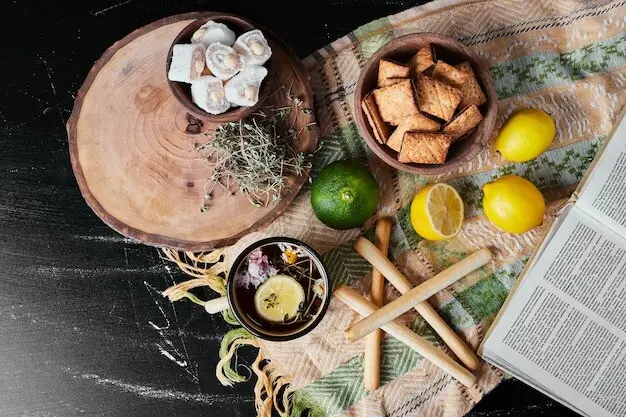
Food traditions echo the same patience you see in studios. Prosciutto from breezy hills, cheeses aged under wooden rafters, olive oils pressed within hours, and wines like Rebula, Teran, and Malvasia pair beautifully with conversations about form and function. Pack a cloth and small knife, choose market fruit, and picnic respectfully. Ask makers where they eat. Their recommendations become the honest thread stitching together hunger, heritage, and the pleasure of lingering well.
Respect, Fairness, and Care for What You Bring Home
{{SECTION_SUBTITLE}}
Words That Open Doors and Smiles
A simple buongiorno, dober dan, guten Tag, or dobar dan sets a respectful tone. Add please and thank you in each language, and many artisans will lean closer to share techniques or memories. Introduce yourself, mention how you found them, and ask permission before exploring drawers or shelves. If you cannot purchase, say so honestly and admire the work regardless. Leave a handwritten note or business card; relationships outlast itineraries and turn strangers into future friends.
Paying for Time, Not Only Objects
When you buy, you honor hours of practice, tool maintenance, studio rent, and failed experiments that taught today’s success. If a price surprises you, ask about materials and steps involved. Many crafts require invisible preparation—seasoning wood, wedging clay, testing glazes, hand-spinning fibers. Consider commissioning thoughtfully, with flexible timelines. Tip for demonstrations when appropriate, and avoid haggling that erases dignity. Tell us how you calculate value on the road, so our community can share thoughtful approaches.
All Rights Reserved.